Soak wooden skewers in water for 20 minutes before you do anything else. I learned this the hard way—charred skewer handles are nobody's idea of fun and they signal that you weren't thinking ahead.
Combine olive oil, lemon juice, smoked paprika, garlic powder, salt, black pepper, cilantro, honey, soy sauce, and red pepper flakes in a bowl. Whisk until honey dissolves completely because undissolved honey creates hot spots on the grill that burn rather than caramelize.
Thread shrimp onto skewers, alternating with space between each one so heat circulates evenly. Pat shrimp dry with paper towels first—moisture is the enemy of good char, and I'm confessing right now that wet shrimp was my mistake for three summers.
Brush shrimp generously with marinade on both sides, then let them sit uncovered for exactly 8 minutes. This timing matters because longer exposure to salt starts breaking down texture, but 8 minutes lets flavors penetrate without turning shrimp mushy.
Heat grill to medium-high and oil the grates using a paper towel and tongs. Oil prevents the stick that ruins everything, which is why this step determines whether 4th of july shrimp skewers crowd actually disappears from grill or gets salvaged with a spatula.
Place skewers directly on hot grates and set a timer for exactly 5 minutes without touching them. The hardest part is sitting still and trusting the heat instead of flipping constantly—resistance to movement creates that restaurant-quality sear.
Flip each skewer once and cook for 4-5 minutes until shrimp turns opaque and develops char marks. Overcooked shrimp becomes rubbery instantly, so watch for the color shift and pull them the moment they stop looking translucent.
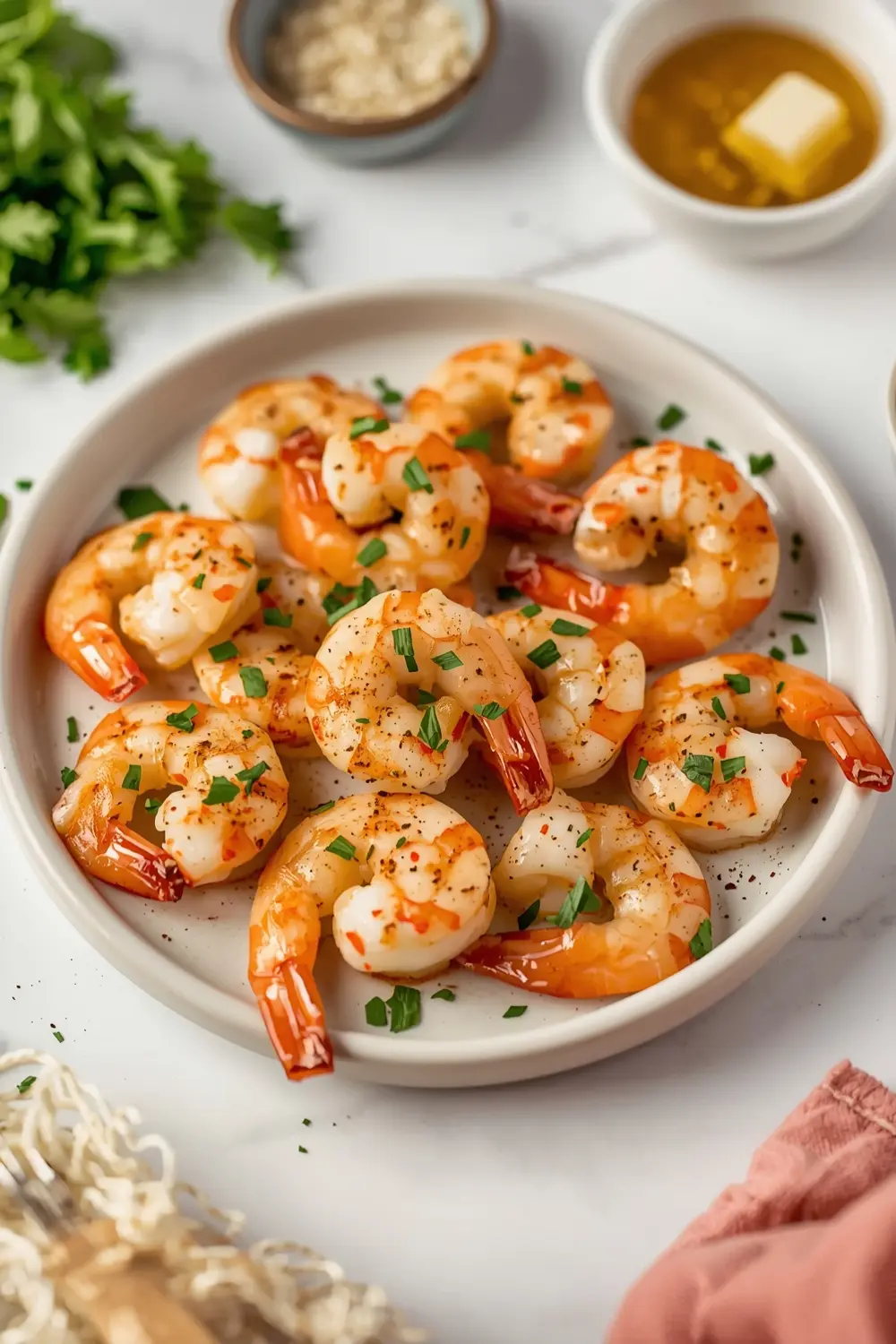
Brush with melted butter as they come off the grill because that's the final touch that makes people say "wait, how did you make this so restaurant-level?" The answer is the butter hits hot shrimp and creates a glossy finish that looks intentional.