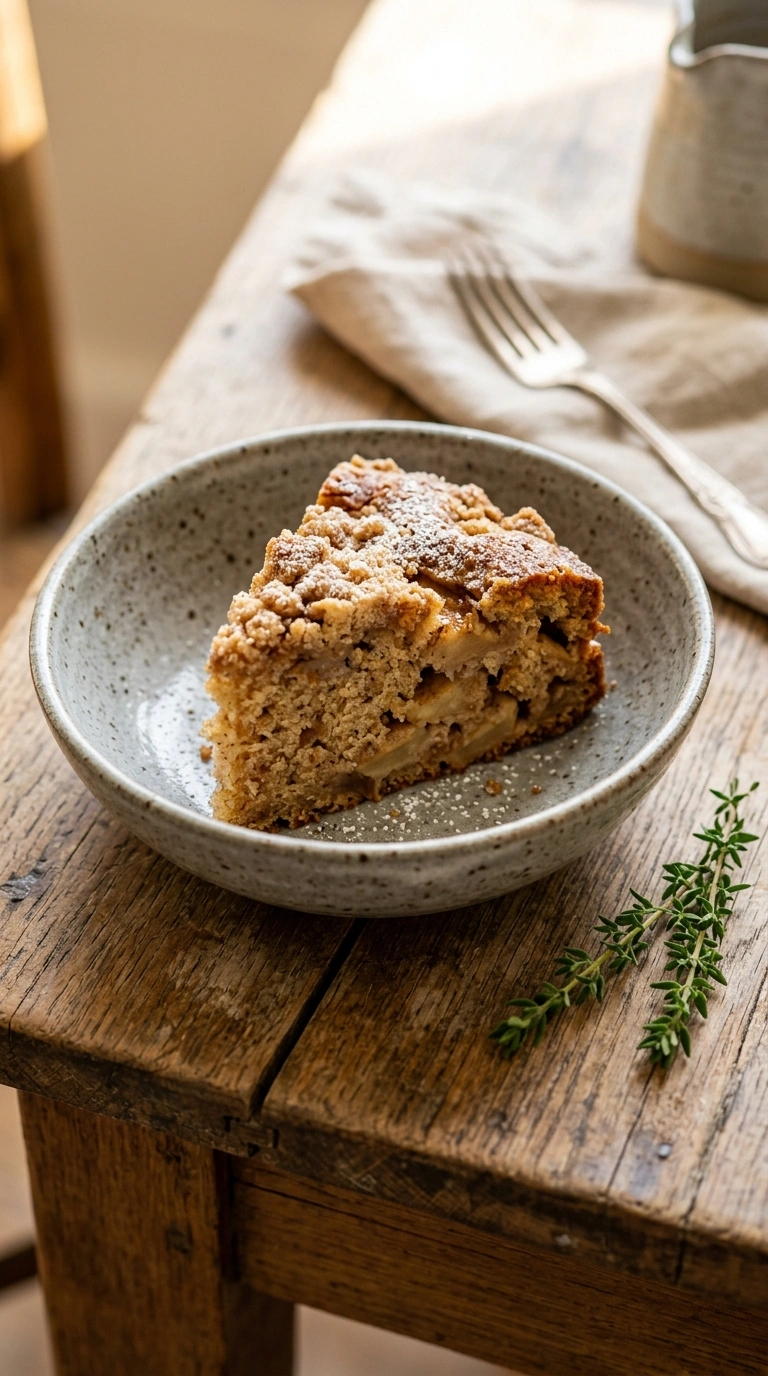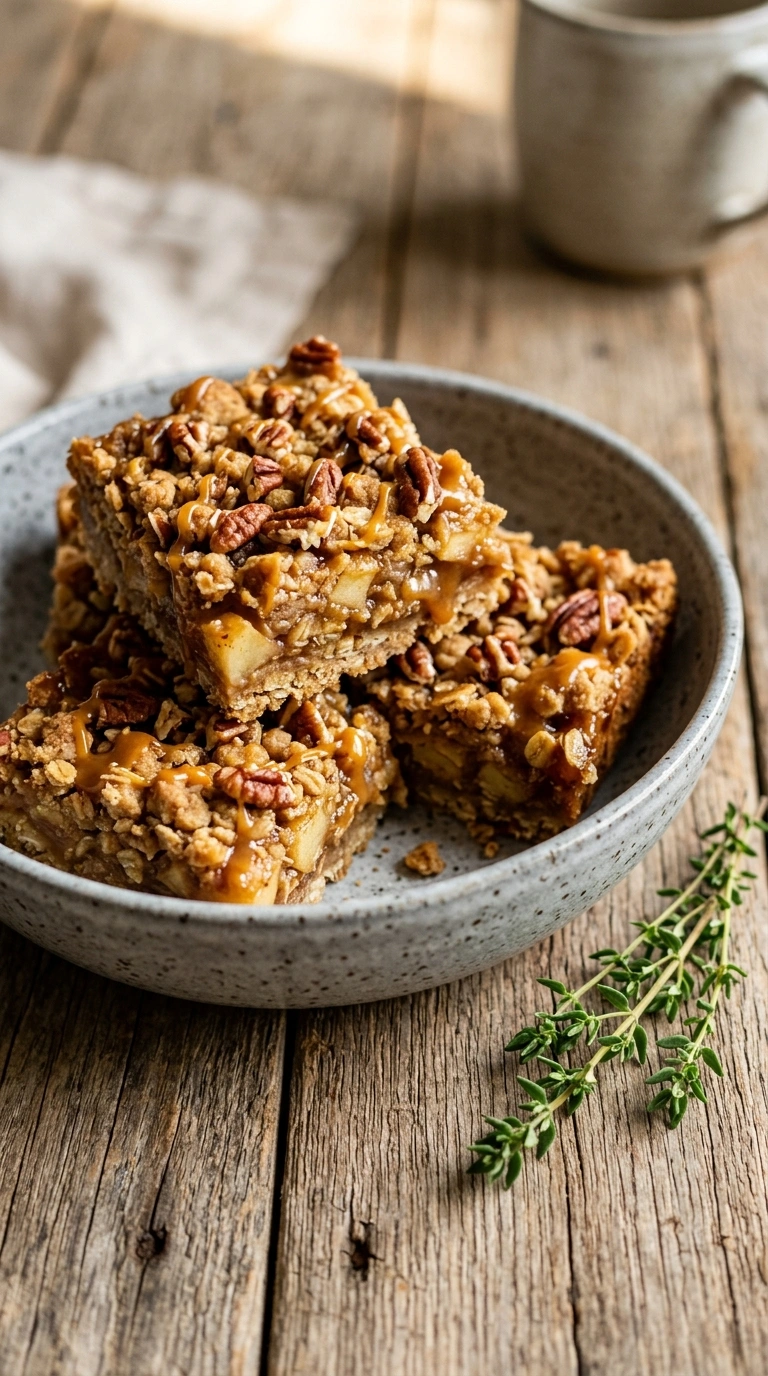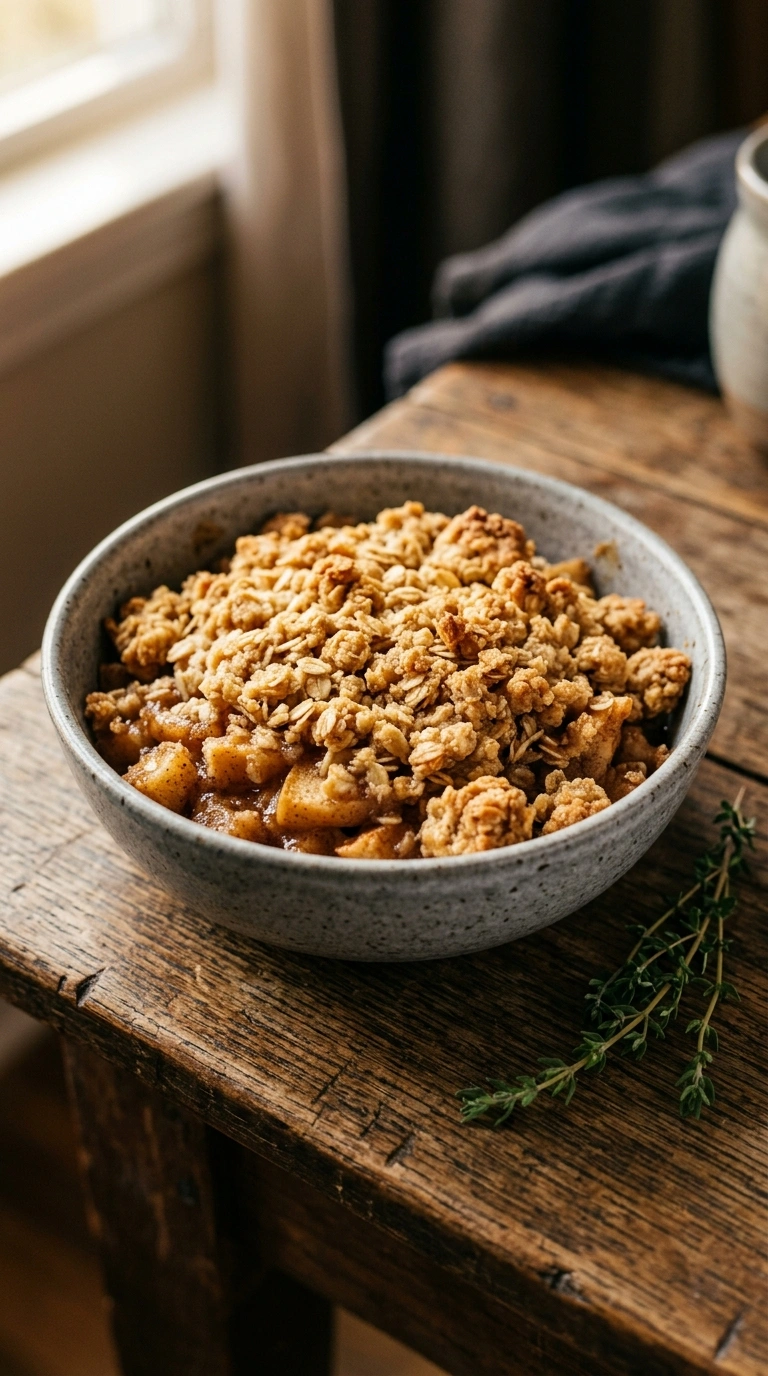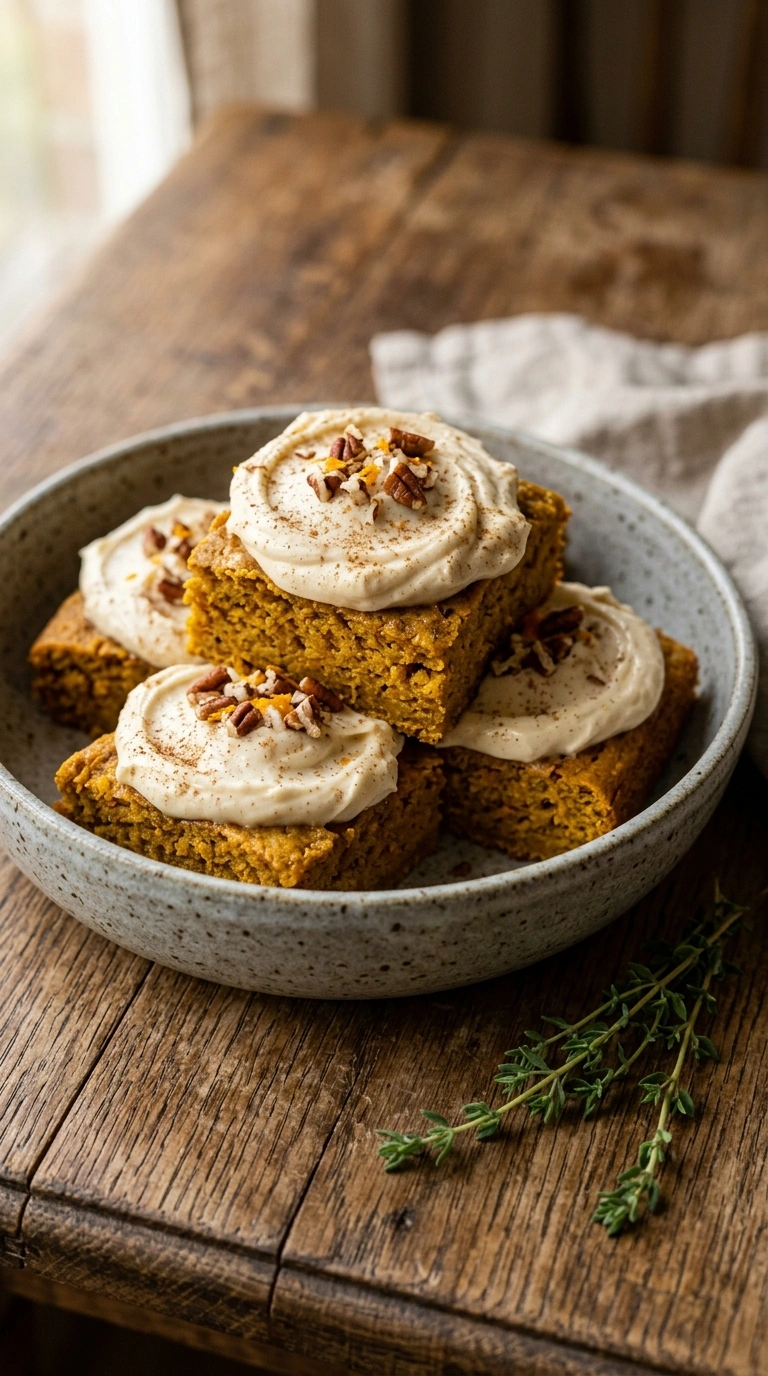
The smell of cinnamon and baked apples fills the kitchen on a crisp September afternoon—this apple cake crowd fall sharing recipe emerges from the oven and disappears faster than you’d expect. Last October, Sandra brought a version to her office potluck and watched eight colleagues ask for the recipe before lunch ended. This isn’t about complicated techniques or obscure ingredients. The magic lives in how the cake stays genuinely moist for three days, how every slice holds its shape, and why an autumn gathering needs this exact dessert. Like blueberry lemon poke cake crowd recipes, this apple cake crowd fall sharing recipe earns its table space through straightforward execution and reliable results.
You’ll want to pin this for the first time someone asks what to bring to a November dinner party.
The differentiation here matters: most apple cakes rely on oil or excessive moisture that creates a dense, heavy crumb by day two. This version uses a calculated ratio of brown sugar to granulated sugar—the brown sugar hygroscopicity keeps the cake tender without that sunken, saturated texture most recipes produce.
Why this crowd-pleasing autumn baking formula works matters more than you think.
What makes a sharing fall baking recipe actually shareable? The crumb structure stays intact when you cut a slice at room temperature. The apples soften during baking but don’t dissolve into mush—they’re still identifiable pieces. Most home bakers skip the step of tossing diced apples with a tablespoon of flour before folding them in; that coating prevents them from sinking to the bottom while also distributing their moisture evenly because flour particles absorb and regulate liquid release. The walnuts add textural contrast without overpowering the apple-forward flavor profile. You’re not fighting a recipe that promises “crowd favorite” but delivers something requiring rescue with frosting. Instead, you get a cake that stands on its own because the foundation is actually engineered for success.
|
Prep
25 minutes
|
Cook
40 minutes
|
Cal
350
|
Serves
8 servings
|
Cuisine
American
|
Ingredients for apple cake crowd fall sharing recipe
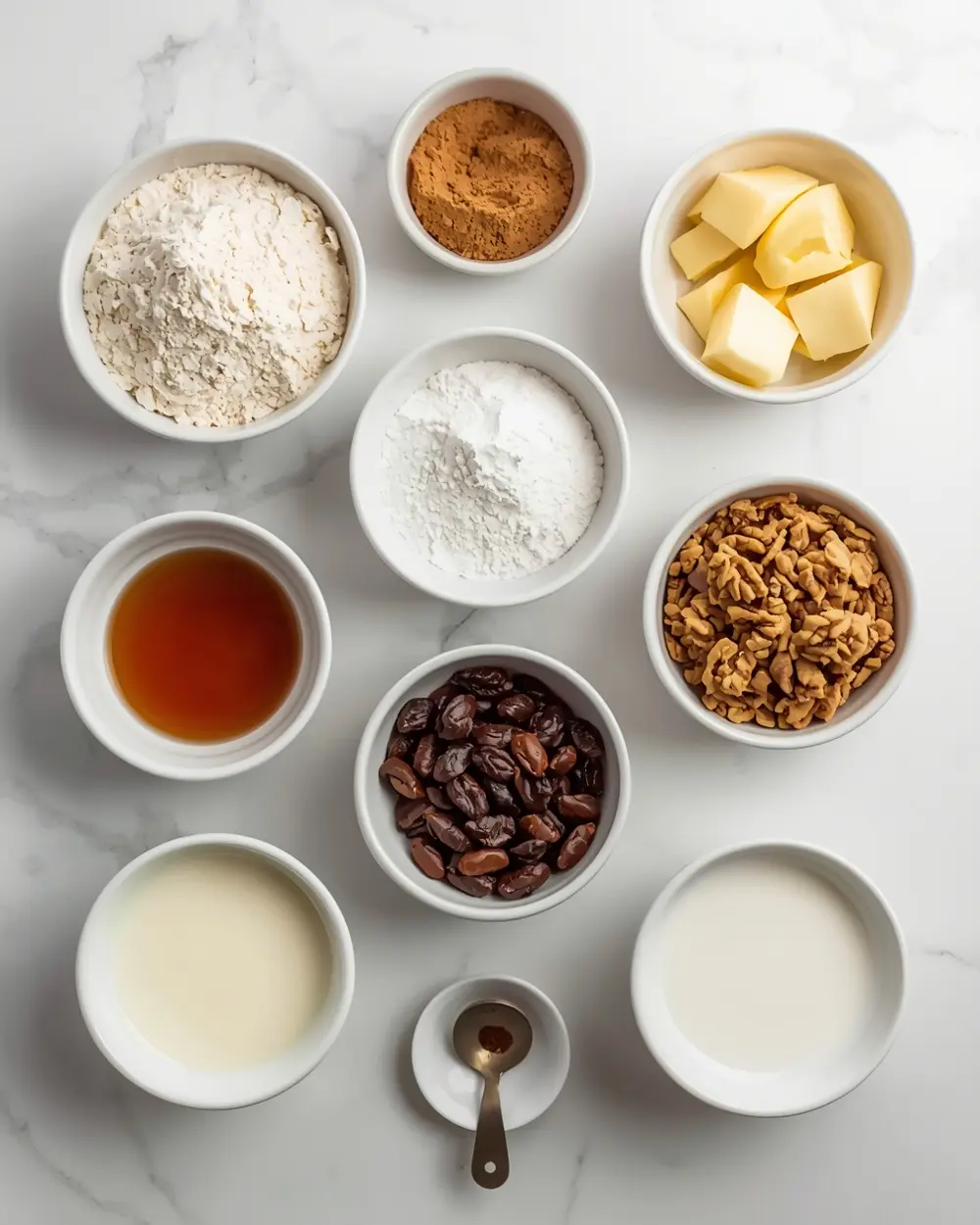
- 2 cups all-purpose flour
- 1 cup granulated sugar
- 1/2 cup brown sugar
- 1/2 cup unsalted butter
- 2 large eggs
- 1 cup milk
- 1 teaspoon vanilla extract
- 2 teaspoons baking powder
- 1/2 teaspoon salt
- 2 apples, peeled and diced
- 1/2 cup chopped walnuts
- 1/2 cup raisins
Sandra mentioned she swaps the raisins for dried cranberries when hosting colleagues who avoid traditional dried fruit—and that adjustment works beautifully because cranberries’ tartness brightens the sweetness of the apple cake crowd fall sharing recipe. If your apples run particularly large or juicy, reduce the milk by 2 tablespoons; I learned this after one November bake where I used three oversized Fujis and ended up with a slightly wetter crumb than intended. The butter temperature matters less here than it does in other cakes—room temperature or slightly cool both work fine, which removes a common source of baker anxiety.
Most bakers worry whether they’ll choose the right apple variety. Granny Smith, Honeycrisp, and Braeburn all perform well here; you want an apple that holds its shape during baking rather than dissolving into applesauce. The brown sugar truly is non-negotiable—white sugar alone creates a cake that dries out after day one, while the brown sugar’s molasses content creates a staying power that keeps this autumn gathering dessert tasting fresh through the weekend. This recipe tolerates ingredient swaps far better than most cakes because the structure doesn’t depend on precision in the way a custard-based cake might.
Step-by-step instructions for baking autumn gathering apple cake
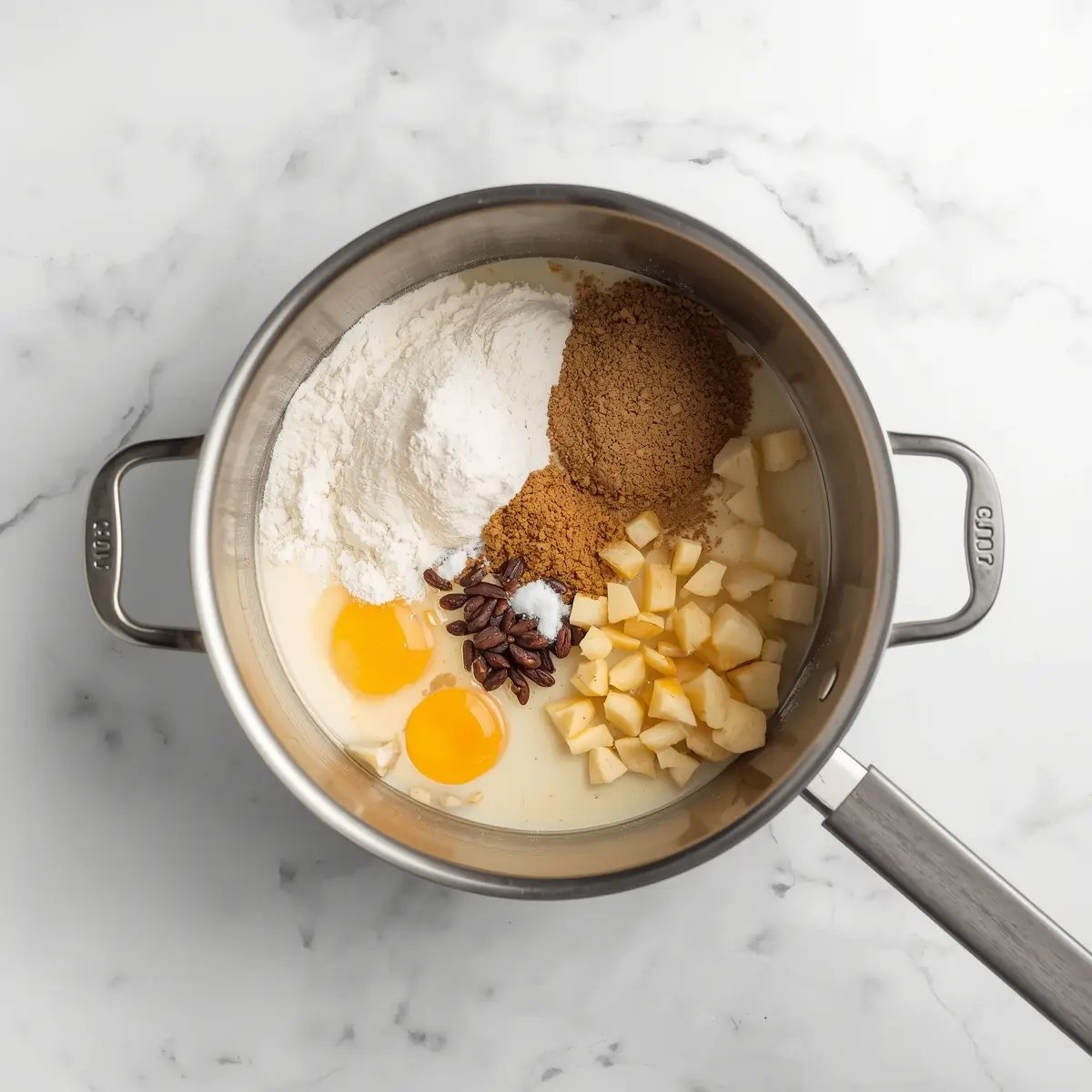
1. Preheat your oven to 350°F and position a rack in the center—this temperature prevents the exterior from setting before the crumb fully bakes through. Grease and lightly flour a 9-inch round or square cake pan; I use parchment paper on the bottom because it eliminates the one moment where a cake can stick despite your best efforts.
2. Cream the butter and both sugars together for about three minutes until the mixture turns noticeably lighter and develops a sandy texture with tiny air pockets visible. This step matters because you’re not just combining ingredients—you’re incorporating oxygen that will help the cake rise and stay tender. I usually check this by running my finger through the mixture; if it leaves a trail that doesn’t immediately smooth back over, you’ve hit the right stage.
3. Add the eggs one at a time, beating for 30 seconds after each addition to emulsify them into the butter properly. I admit I used to rush this part and wondered why my cakes turned slightly grainy; the extra half-minute makes the difference between a silky batter and one that splits slightly during mixing.
4. Alternate adding the dry ingredients and milk in three additions, starting and ending with dry: flour mixture, then half the milk, then remaining flour mixture, then remaining milk. Stir until just combined—about 20 seconds—because overmixing develops gluten and creates a tougher crumb. This moment is where apple cake crowd fall sharing recipe success hinges; your restraint here determines whether you get tender slices or dense ones.
5. Toss the diced apples and raisins with one tablespoon of the reserved flour, then fold them gently into the batter using a spatula with about 10 strokes. The flour coating prevents the apples from sinking while distributing their moisture, which is why this step delivers different results than simply stirring apples directly into the batter. Follow with the walnuts, using another five gentle folds.
6. Pour the batter into the prepared pan and smooth the top with an offset spatula—no need for perfection here. Bake for 38 to 42 minutes, checking with a toothpick inserted near the center around minute 35; you’re looking for a few moist crumbs clinging to the pick, not a completely clean insertion.
7. Cool the cake in its pan for 15 minutes—this resting period allows the structure to set enough that you can turn it out without it breaking apart. Then invert it onto a wire rack to cool completely before slicing or frosting.
This cake reaches its optimal flavor and texture eight hours after cooling, which is why Sandra bakes hers the evening before an autumn gathering.
Serving ideas for apple cake crowd fall sharing recipe
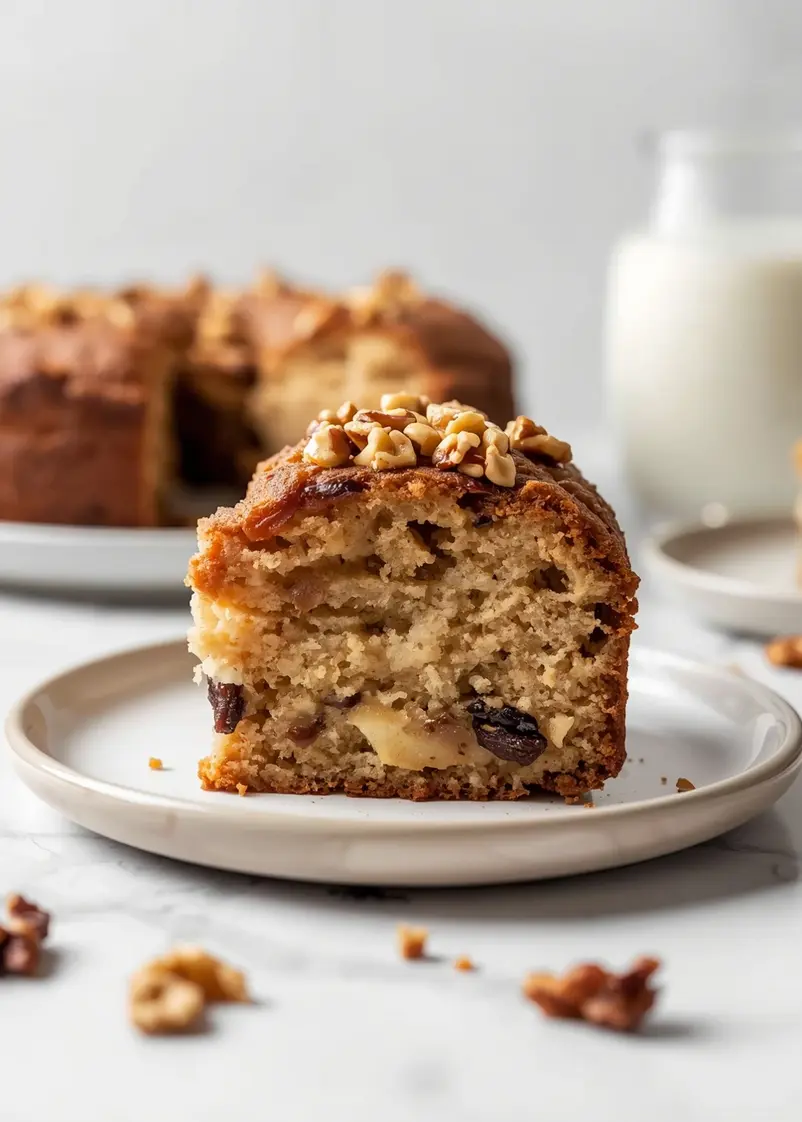
Serve this cake plain or dressed depending on the occasion and who’s eating.
Cinnamon Cream Cheese Frosting
A simple cream cheese frosting with a pinch of nutmeg and cinnamon transforms this into an elevated dessert without overwhelming the apple flavor. The frosting’s tang balances the cake’s sweetness because acidic elements brighten rather than compete with fruit-forward cakes. Spread it between layers or over the top—whichever suits your presentation mood.Vanilla Ice Cream and Caramel Drizzle
Warm slices paired with vanilla ice cream and a light caramel drizzle feel restaurant-quality but require zero special technique. The melting ice cream creates sauce that pools around the cake, and the caramel’s bitter notes prevent the dish from becoming cloying because bitter and sweet together satisfy more completely than either does alone.Simple Dusting with Cinnamon Sugar
Sometimes the best presentation for a **crowd apple cake** is the least fussy: dust the cooled cake with cinnamon sugar and serve with coffee. This method respects the cake’s natural flavor profile, which is particularly thoughtful when bringing dessert to apple pie Thanksgiving crowd easy gatherings where multiple desserts compete for attention.The sharing fall baking approach means you’re not locked into one serving style—adapt based on your crowd and occasion without guilt.
Frequently asked questions about sharing fall baking
Can I freeze apple cake crowd fall sharing recipe?
Yes. Wrap the unfrosted cake tightly in plastic wrap, then foil, and freeze for up to three weeks.
Thaw at room temperature for three hours before frosting or serving. The cake thaws evenly because the moisture content remains stable during freezing—this isn’t a delicate cake that deteriorates in the freezer.
Can I use applesauce instead of fresh apples?
No, not as a one-to-one substitution. Applesauce releases too much liquid, creating a soggy crumb.
If you only have applesauce available, reduce the milk by half a cup and drain the applesauce through a fine-mesh strainer for 15 minutes first.
Can I reheat individual slices?
Yes. Wrap a slice in a damp paper towel and microwave for 20 to 25 seconds at 50% power until just warmed through.
Alternatively, warm slices wrapped in foil in a 300°F oven for 10 minutes. Microwaving works better for individual slices; the oven method suits full cakes.
Does this recipe work if I want to make a lighter version for autumn gathering?
Partially. Substituting oil for butter works; use three-quarter cup of neutral oil instead of butter.
You cannot reduce sugar significantly without affecting texture, though you can substitute two tablespoons of honey for two tablespoons of granulated sugar if you’d like subtle complexity.
Final thoughts on crowd-pleasing autumn baking
Every time you bring a cake to a table where eight people are already seated, you’re either delivering relief or regret. This apple cake crowd fall sharing recipe consistently delivers relief because you’re not guessing whether the crumb will hold or the flavors will land. The combination of brown sugar’s hygroscopic properties, the apple-flour coating technique, and the balanced ratios means you’re working with a formula, not hoping for luck.
Sandra brought this to her book club last month and watched four members ask for the recipe before the last slice disappeared—and the honest part is that it’s not complicated enough to feel precious or precious enough to feel impossible. This cake simply works, which might sound like damning with faint praise until you’ve spent years chasing apple cake recipes that promise moisture but deliver density, or tenderness but sacrifice structure.
The real gift of this sharing fall baking approach is that you can bake it on a Tuesday evening, wrap it Wednesday morning, and hand it to someone Thursday afternoon with genuine confidence that it will taste better then than it does fresh. That’s not always true with cakes. That particular quality—the willingness to improve over time rather than decline—is what separates the recipes people actually repeat from the ones that sound nice but never make it back into rotation.
pumpkin cheesecake bars crowd fall recipes handle different flavor territory, but this apple cake owns its space on the autumn table completely.
Which pairing would you bring to a gathering tonight—the cream cheese frosting or the ice cream route—and why?
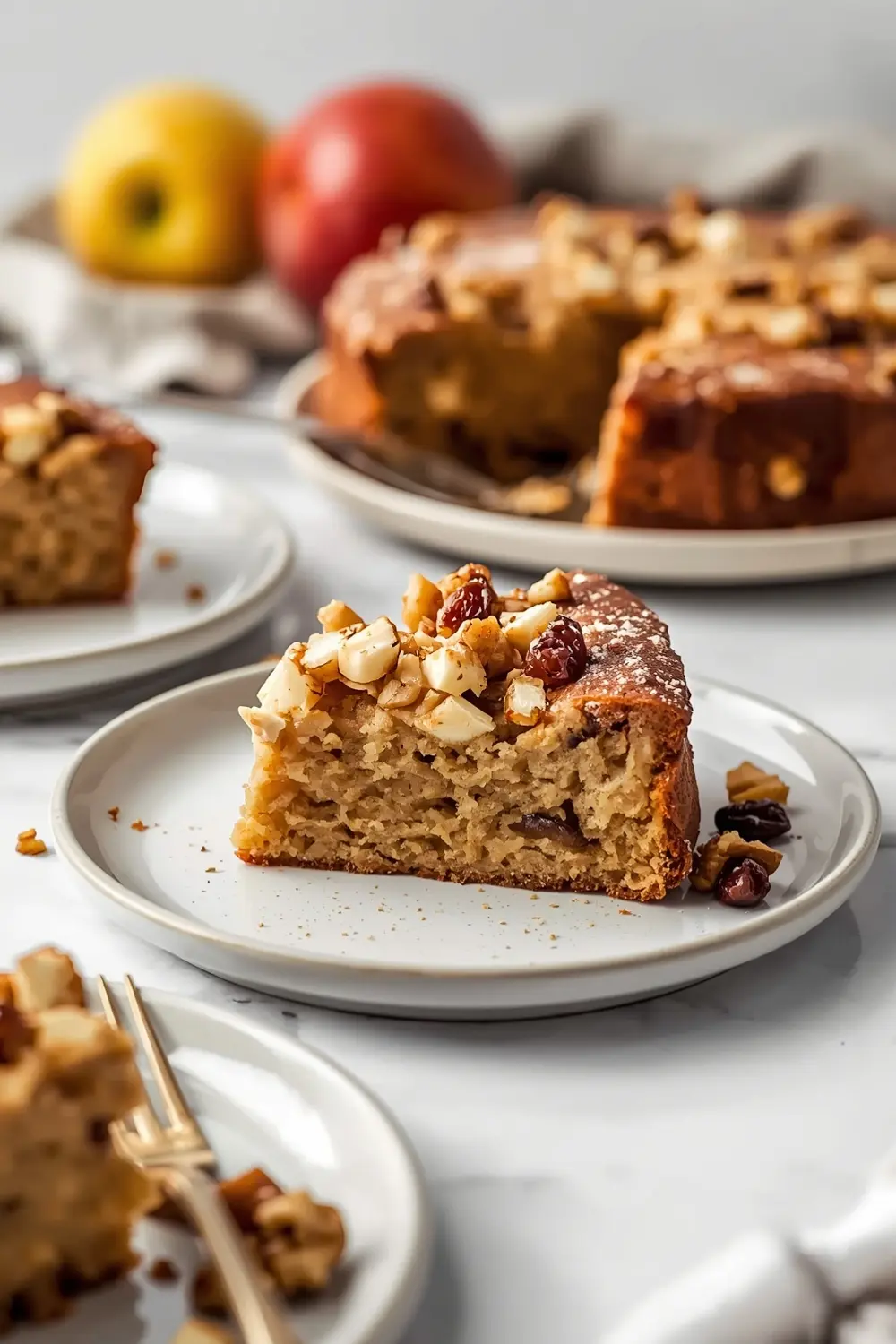
Best apple cake crowd fall sharing
Ingredients
Method
- Preheat your oven to 350°F and position a rack in the center—this temperature prevents the exterior from setting before the crumb fully bakes through. Grease and lightly flour a 9-inch round or square cake pan; I use parchment paper on the bottom because it eliminates the one moment where a cake can stick despite your best efforts.
- Cream the butter and both sugars together for about three minutes until the mixture turns noticeably lighter and develops a sandy texture with tiny air pockets visible. This step matters because you’re not just combining ingredients—you’re incorporating oxygen that will help the cake rise and stay tender. I usually check this by running my finger through the mixture; if it leaves a trail that doesn’t immediately smooth back over, you’ve hit the right stage.
- Add the eggs one at a time, beating for 30 seconds after each addition to emulsify them into the butter properly. I admit I used to rush this part and wondered why my cakes turned slightly grainy; the extra half-minute makes the difference between a silky batter and one that splits slightly during mixing.
- Alternate adding the dry ingredients and milk in three additions, starting and ending with dry: flour mixture, then half the milk, then remaining flour mixture, then remaining milk. Stir until just combined—about 20 seconds—because overmixing develops gluten and creates a tougher crumb. This moment is where apple cake crowd fall sharing recipe success hinges; your restraint here determines whether you get tender slices or dense ones.
- Toss the diced apples and raisins with one tablespoon of the reserved flour, then fold them gently into the batter using a spatula with about 10 strokes. The flour coating prevents the apples from sinking while distributing their moisture, which is why this step delivers different results than simply stirring apples directly into the batter. Follow with the walnuts, using another five gentle folds.
- Pour the batter into the prepared pan and smooth the top with an offset spatula—no need for perfection here. Bake for 38 to 42 minutes, checking with a toothpick inserted near the center around minute 35; you’re looking for a few moist crumbs clinging to the pick, not a completely clean insertion.
- Cool the cake in its pan for 15 minutes—this resting period allows the structure to set enough that you can turn it out without it breaking apart. Then invert it onto a wire rack to cool completely before slicing or frosting.